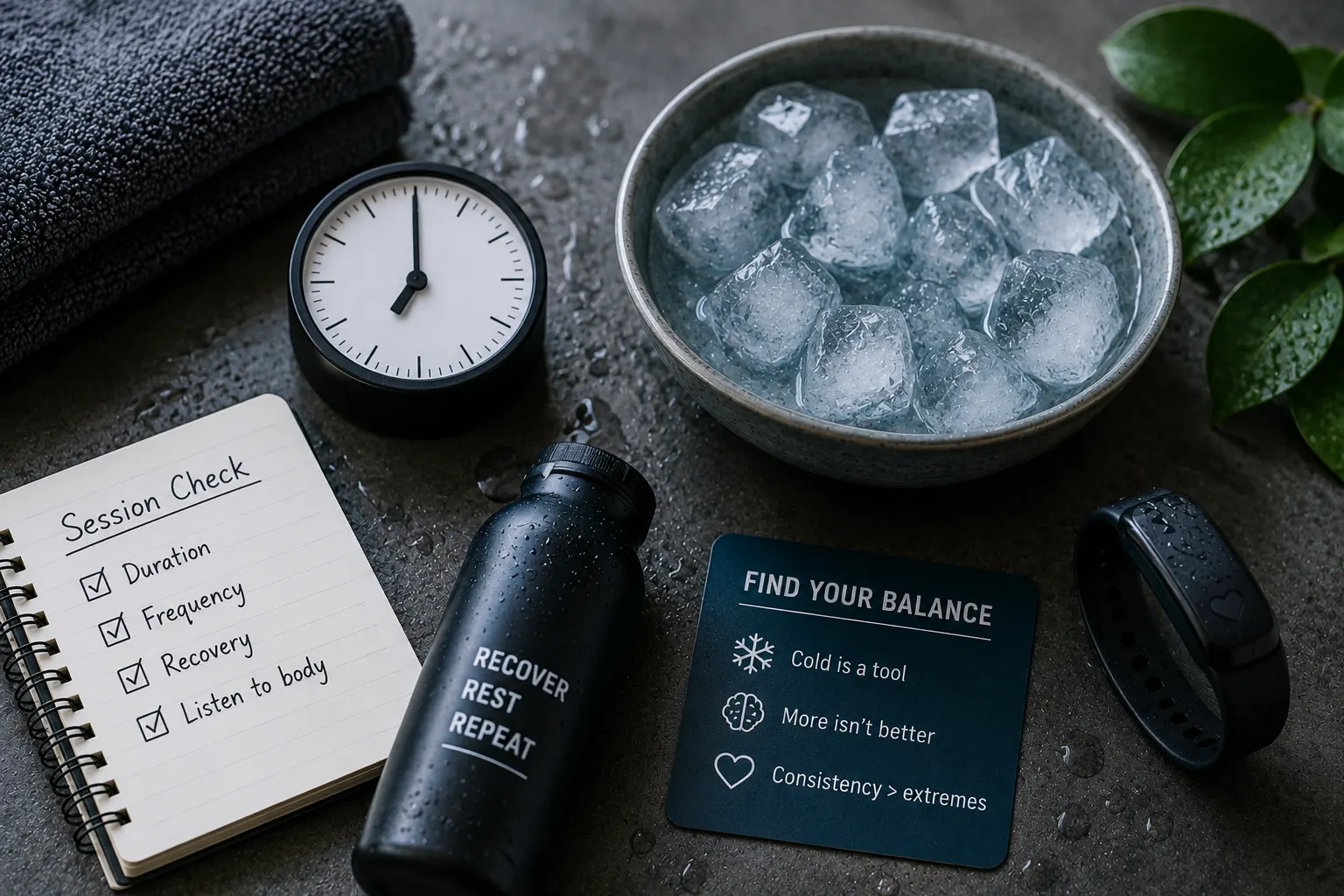
Cold plunging has grown from a niche tool into a daily ritual. Once you feel the initial benefits, it becomes tempting to do more. The next obvious step feels like more sessions, more frequency, and colder water. That instinct makes sense, but it misreads how the body actually adapts. Cold exposure is a stress signal, not something you can just sprinkle on top of everything else. Past a certain point, your body stops adapting and starts struggling instead. Knowing where that point sits protects both your health and your results, which is exactly why so many people search how much cold plunge is too much before building a routine.
What Happens When You Overdo It
Cold water triggers a real stress response. This helps in small, controlled doses. Daily exposure without recovery keeps that system switched on. Cortisol and norepinephrine stay high instead of resetting. Over time you feel wired but exhausted. Sleep often suffers first. Your body forgets how to fully downshift.
Muscle adaptation also slows with overuse. Studies show daily cold plunging can blunt strength gains. Inflammation helps build muscle after resistance training. Suppressing it too often blocks that repair process. This doesn't mean cold plunge is bad for athletes it means timing and frequency matter, and it's part of why cold plunge is bad for you when it's overdone without proper recovery.
Hormones can shift too with excessive use. Chronic stress hormones affect appetite, mood, and immunity. Some people get sick more often during overuse. The immune system stays partly diverted toward stress. Proper recovery windows keep these systems working. A well-timed routine supports immunity instead of undermining it.
Signs You Are Plunging Too Often
Your body usually sends clear signals before things go wrong:
Persistent fatigue that doesn't improve with normal rest
Feeling cold or shivery for hours after a session
Trouble falling asleep despite feeling physically tired
Irritability or unusual anxiety, which can signal nervous system overload
A resting heart rate that stays elevated across several days
These signals are your body asking for a break, not a bigger dose. Some people push through them because they associate discomfort with progress. That mindset works against you here. Unlike strength training, there's no clear dose-response curve favoring more. The nervous system benefits plateau well before physical exhaustion sets in. Recognizing early signals lets you adjust before real burnout develops.
How Frequency Affects Recovery
Three to four sessions a week is optimal for most healthy adults, which is the most common answer to how many ice baths should i take a week. This frequency gives the nervous system enough time to reset between exposures. Daily plunging can work for some people, but it needs careful monitoring. It typically suits those already deeply experienced with cold exposure. Beginners jumping straight into daily sessions often burn out within weeks.
Rest days between sessions aren't wasted time. They let your nervous system fully return to baseline. Skipping rest days to chase faster results usually backfires within a month. People who plunge every single day often see diminishing returns the novelty wears off and the stress response becomes less effective. Spacing sessions out preserves the sharpness of that response longer.
Duration Versus Frequency
People often focus on frequency while ignoring session length. Both factors combine to determine your total cold exposure load.
Approach | Weekly Load | Trade-Off |
5 min daily | High, constant low-level alert | Little recovery time between sessions |
2 min, 3x/week | Light and manageable | Easier to sustain long term |
12 min, 2x/week | Moderate, deeper recovery between sessions | Less frequent nervous system stimulus |
Extending session length to compensate for fewer sessions rarely works well. Sessions beyond ten minutes don't meaningfully increase recovery benefit they mostly raise the risk of excessive core temperature drop, which is also why cold plunge time per week matters more than any single long session. A better strategy keeps sessions short and spaces them out across the week.
The Role Of Temperature In Overuse
Very cold water combined with high frequency compounds the overuse problem quickly. Water near freezing already pushes your system harder than moderate cold does. Adding daily frequency on top of that multiplies the demand this is where most overtraining-style symptoms come from. A moderate temperature around fifty-five degrees paired with regular frequency works better. It creates a strong enough signal without pushing your system into constant alarm.
People chasing extreme cold often mistake intensity for effectiveness. The nervous system response plateaus well before water reaches dangerous temperatures, which is worth remembering if you've ever wondered can cold plunge be too cold for regular use. Choosing a moderate temperature makes higher frequency more sustainable long term.
Who Faces Higher Risk
Certain groups need to be more cautious about cold plunge frequency:
People with cardiovascular conditions should limit sessions and consult a doctor first
Those under significant life stress may already have an activated nervous system
Athletes in heavy training blocks should time sessions carefully around workouts
Older adults may need longer recovery windows between sessions
People recovering from illness or injury need a more cautious approach
None of these are reasons to feel discouraged they simply mean adjusting frequency to match your individual recovery capacity. Working with a healthcare provider helps clarify a safe starting point.
Balancing Cold Exposure With Training
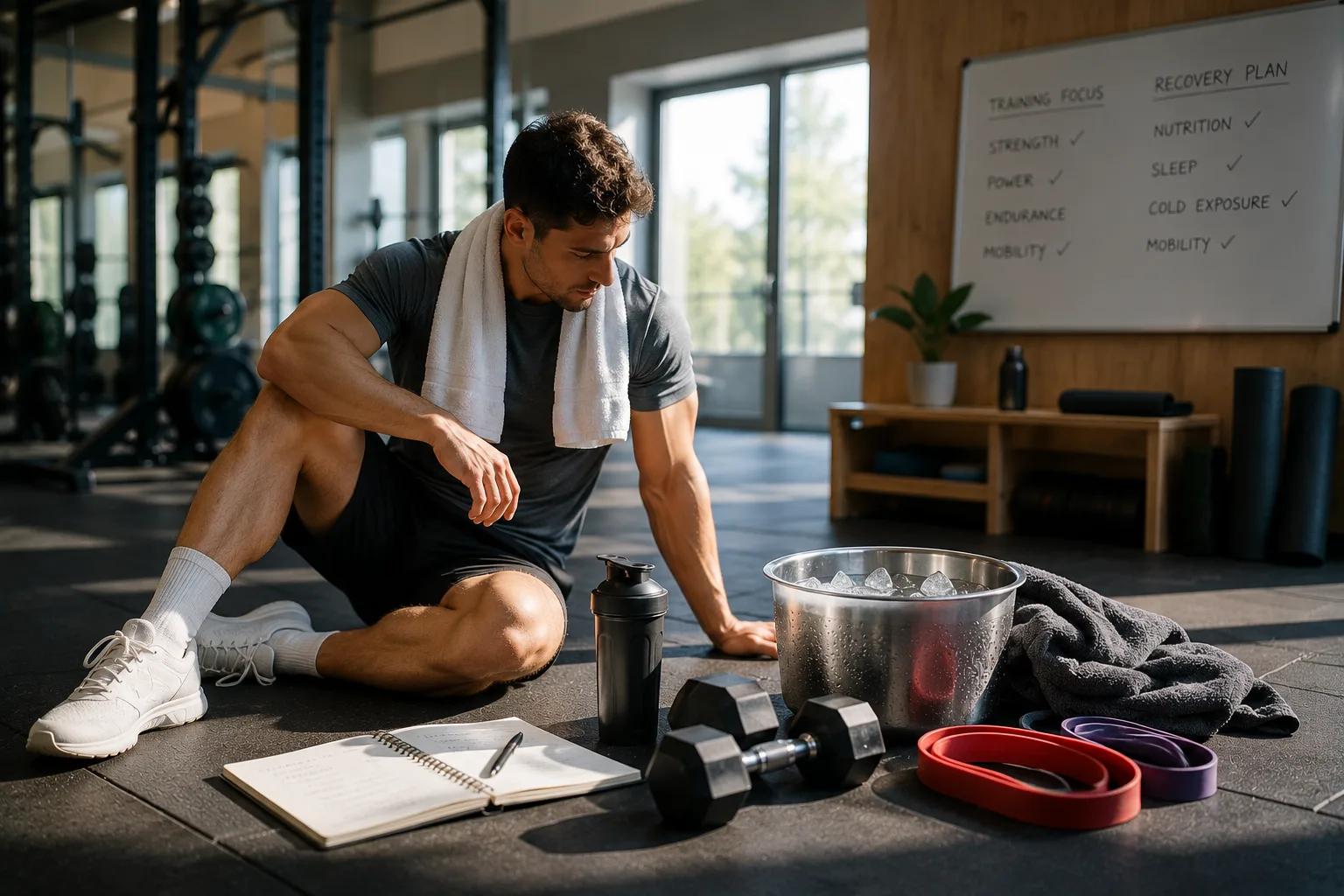
Athletes often want to combine cold plunges with intense training schedules. Timing matters more here than most people realize. Plunging right after strength training can reduce muscle-building adaptations. Waiting several hours, or plunging on separate days, avoids this interference. Endurance athletes face less of this concern for them, a cold plunge after hard sessions can genuinely speed up recovery, which is part of why ice bath after workout remains such a common habit among endurance athletes.
Building a weekly schedule around both training and plunging prevents accidental overuse. Map out your hardest training days and your recovery-focused days separately. Place plunge sessions on days that support recovery instead of competing with growth.
Building A Sustainable Weekly Routine
A sustainable routine usually starts smaller than most people expect. Two sessions a week for the first month builds a solid foundation. From there, add a third or fourth session gradually. Watch how your sleep, energy, and mood respond. If those markers stay strong, you likely have room to add more. If they decline, pull back instead. Journaling briefly after each session makes these adjustments easy to spot. A simple rating for energy, sleep, and mood takes under a minute. Reviewing these notes weekly reveals trends you'd otherwise miss.
Consistency over months matters far more than intensity over a few weeks. A moderate routine maintained for a year beats an extreme one abandoned within ten days. Systems with reliable temperature control, like proper cold plunge tubs, make this consistency much easier if you're not relying on ice runs or guesswork every session.
Plateaus are normal and don't always mean you need to add more. Your nervous system can stay well adapted at the same frequency for months. Sometimes the right move is holding steady rather than escalating further.
Listening To Your Body's Signals
Tracking a few simple markers helps you catch overuse before it becomes serious:
Morning resting heart rate
Sleep quality and how rested you feel on waking
Mood and motivation toward training
Keeping brief notes after each session reveals patterns within a few weeks. Adjusting based on these signals isn't a sign of weakness; it's exactly how sustainable recovery routines get built. Elite athletes constantly adjust training load based on similar recovery markers. Cold plunge deserves the same thoughtful approach rather than blind daily repetition.
Equipment And Consistency
The equipment you use shapes how easy this balancing act becomes. A dedicated tub with reliable temperature control removes constant guesswork. Systems like Plunge tubs let you set a consistent moderate temperature easily. Ice Barrel setups work well too, though they demand slightly more manual attention.
Whatever system you choose, consistency matters more than chasing extreme specs. A tub that sits unused because it feels complicated defeats its own purpose. Choose equipment that fits smoothly into your actual weekly routine.
Finding Your Personal Limit
There's no single frequency or duration that fits everyone. Your ideal amount depends on stress levels, training load, and overall health. The goal is finding your own sustainable edge through gradual, careful adjustment. Start conservative and increase slowly while watching how your body responds.
A useful test: hold your current frequency steady for three weeks. If energy, sleep, and mood stay strong, you likely have room to experiment further. If anything trends downward, that frequency is probably near your actual limit.
Overuse rarely announces itself dramatically or all at once. It shows up gradually through disrupted sleep and lingering fatigue instead. Paying attention early keeps cold plunge working as a genuine recovery tool.
Frequently Asked Questions
How many cold plunge sessions per week are considered safe?
Three to four sessions weekly works well for most healthy adults. Daily sessions can work but require careful monitoring and experience.
What are the first signs of doing too much cold plunge?
Persistent fatigue and poor sleep are common early warning signs. An elevated resting heart rate across several days is another indicator.
Can too much cold plunge interfere with muscle growth?
Yes, frequent cold exposure right after training can blunt strength adaptations. Spacing sessions away from strength training preserves those muscle-building gains.
Is daily cold plunging bad for beginners specifically?
Beginners usually benefit more from starting with two or three weekly sessions. Daily plunging often leads to burnout before real adaptation occurs.
Should older adults limit their cold plunge frequency?
Older adults often need longer recovery windows between sessions than younger people. Consulting a doctor helps establish a safe personal starting frequency.
If you're unsure how often to plunge for your goals, the directory offers systems built for consistent, moderate use. Comparing options like Plunge and Ice Barrel helps you decide. Find a setup that genuinely fits your weekly routine.